The rule we made on the plane: one thing a day that she chooses, one thing a day that I choose, and nobody sulks about either. It survived four days, which in the company of a fifteen-year-old is roughly a diplomatic triumph.
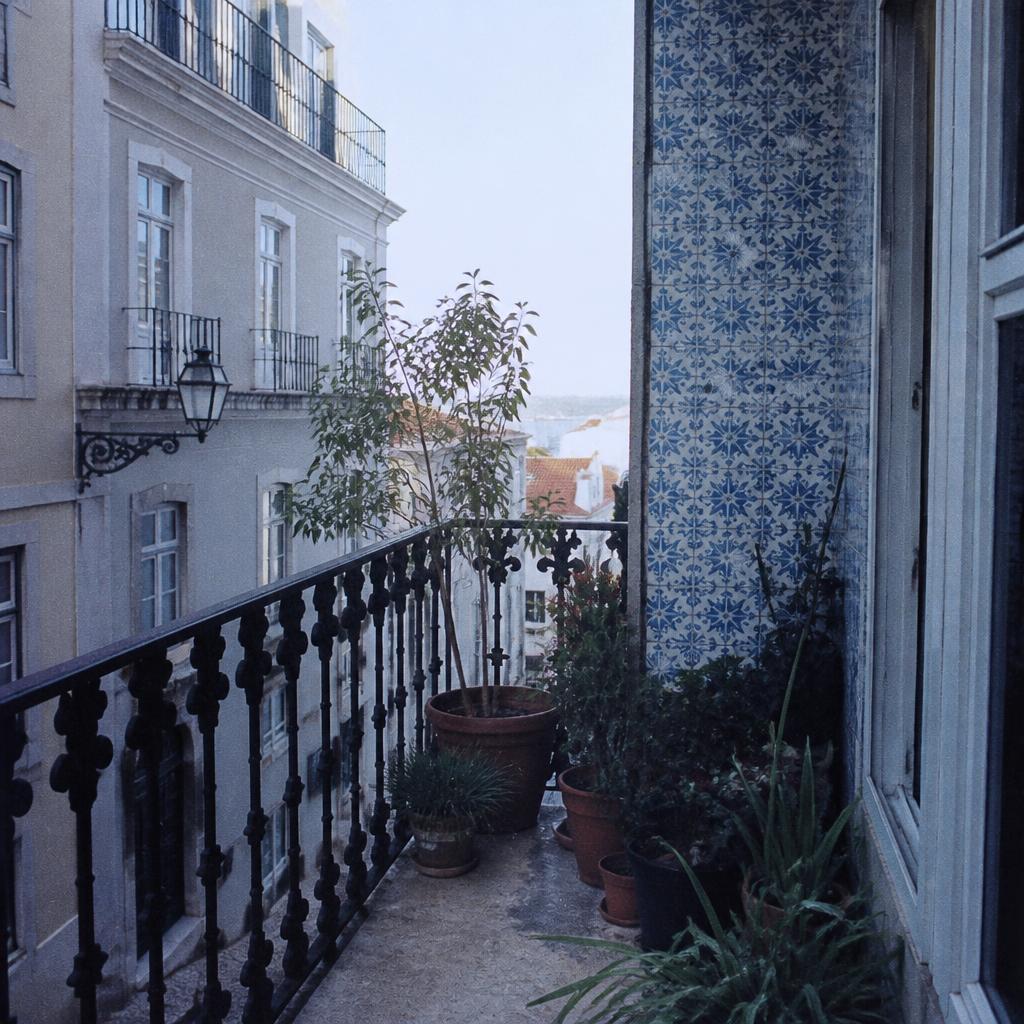
We stayed in Príncipe Real, which is the version of Lisbon I'd recommend to any mother travelling with a teenager — leafy, residential, gently expensive, on a plateau rather than a hill, and close enough to Bairro Alto that she felt like she was somewhere, far enough that we could sleep. A room with two beds and a balcony is the whole brief. The balcony is where she sat with her phone at seven in the evening while I got ready, both of us in the same square metre of air, not talking, entirely content. Ask for a room off the street. Ask whether breakfast runs late; teenage sleep is a geological force.
Go in May, June or the back half of September. That is when Lisbon sits at 22 to 26 degrees, the jacarandas along Avenida da Liberdade are doing their impossible violet thing in May, and the light goes honey-coloured by six. August is 33 degrees and airless, with cruise crowds shoulder to shoulder in the Alfama lanes; November through February is mild but genuinely wet, and those polished cobbles turn into a skating rink the moment it rains. We went in late September — warm enough for gelato at nine at night, cool enough that nobody complained about the hills.
Where to eat, since a teenager's goodwill runs on snacks. Manteigaria, behind the Camões square, does the pastel de nata still warm with cinnamon shaken over the counter — go twice, nobody is judging. Gelato Davvero in Príncipe Real for the pistachio, eaten on the wall of the botanical garden. For the one proper dinner, A Cevicheria on Rua Dom Pedro V — book, it's small — where the pisco sours are for you and the tuna ceviche converted a child who claimed not to eat raw fish. Cervejaria Ramiro is the classic move if she'll do prawns; order the pregos for pudding like the locals do. And the matcha brief, because apparently that is a food group now: Comoba, up the hill near Cais do Sodré, does the best iced matcha in the city in a room full of plants; Hello, Kristof on Rua do Poço dos Negros is the tiny Scandi-style café for a matcha and a stack of magazines; Dear Breakfast in Chiado does matcha pancakes on Sundays. She rated Comoba highest, on the grounds that the cup matched her nails.
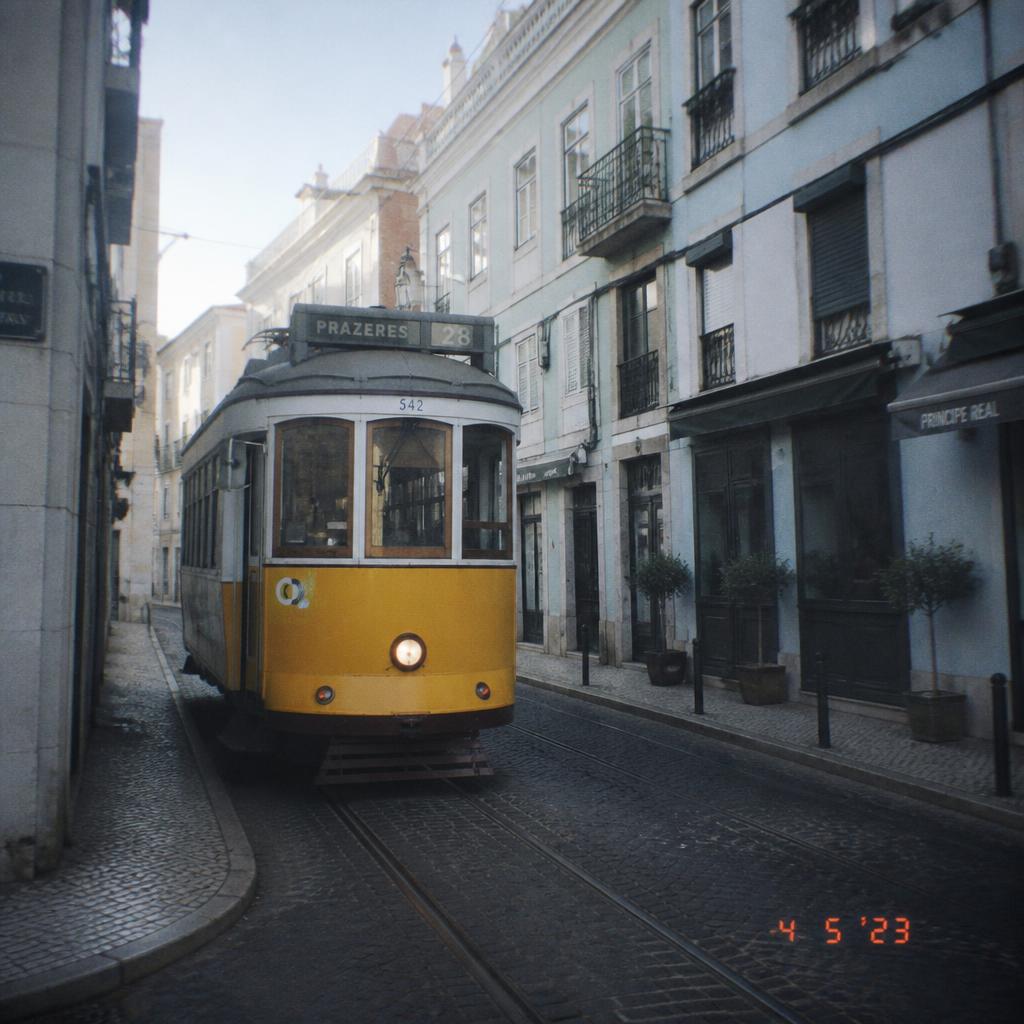
What worked, in order of how often she has mentioned it since. The tram 28 at eight in the morning, before the queues, when it's still full of people going to work and the driver rings the bell at a cat. The Miradouro de São Pedro de Alcântara, with two custard tarts and a paper napkin each. LX Factory on a Sunday, where the bookshop with the red staircase — Ler Devagar — did more for her reading habit than three years of my recommending things. The Gulbenkian gardens, which are free to walk through and full of ducks with strong opinions. A ferry to Cacilhas for the ten-minute crossing and a plate of fried fish on the other side, because a boat is a very cheap adventure.
What worked for me, which she tolerated: the Museu Nacional do Azulejo, out along the river, where the tiles do the same blue over five centuries and she found, unprompted, the one panel she liked. An hour in the Feira da Ladra flea market on a Tuesday, where she bought a brass key for two euros and still has it.
The safe, practical part, since that's the question everyone actually asks. Lisbon is a walkable, low-drama city with one real irritation: pickpockets on tram 28 and in the Baixa crowds. We kept phones in front pockets, cash split in two places, and a rule that whoever was navigating held their phone with both hands. The hills are steeper than they photograph — the Elevador da Glória and the Santa Justa lift are not tourist gimmicks, they're transport. Teens are safe out on their own in Príncipe Real and Chiado in daylight; we agreed on a two-block radius from the hotel and a text on arrival, and that was the extent of the negotiation. Trainers, not sandals: the cobbles are polished to a shine and they are slippery in the rain.
The thing about travelling with your own teenager is that the itinerary matters far less than the hours in between it — the queue, the tram, the balcony, the second tart. What we brought home was not Lisbon. It was the version of each other that only exists away from home.