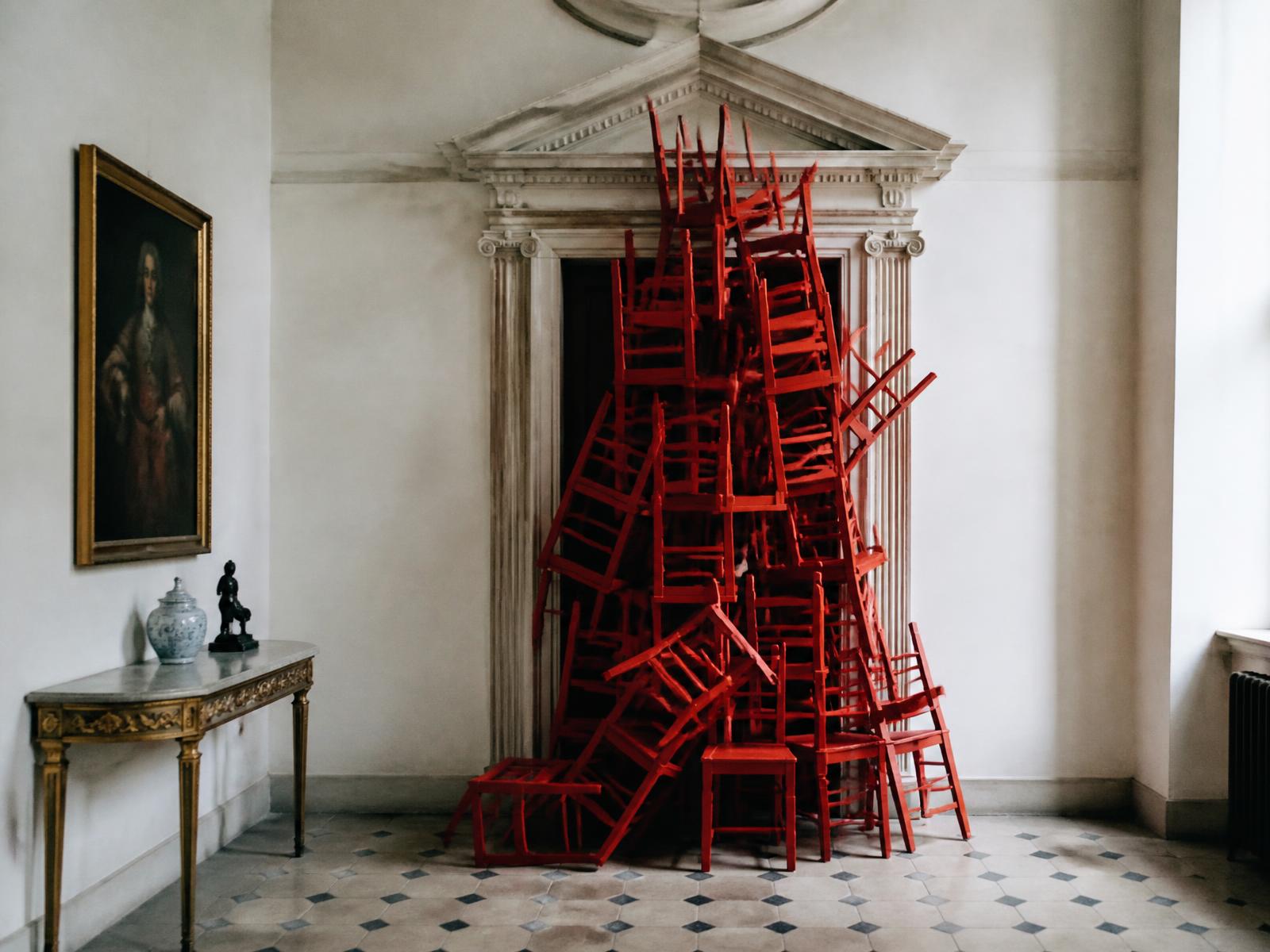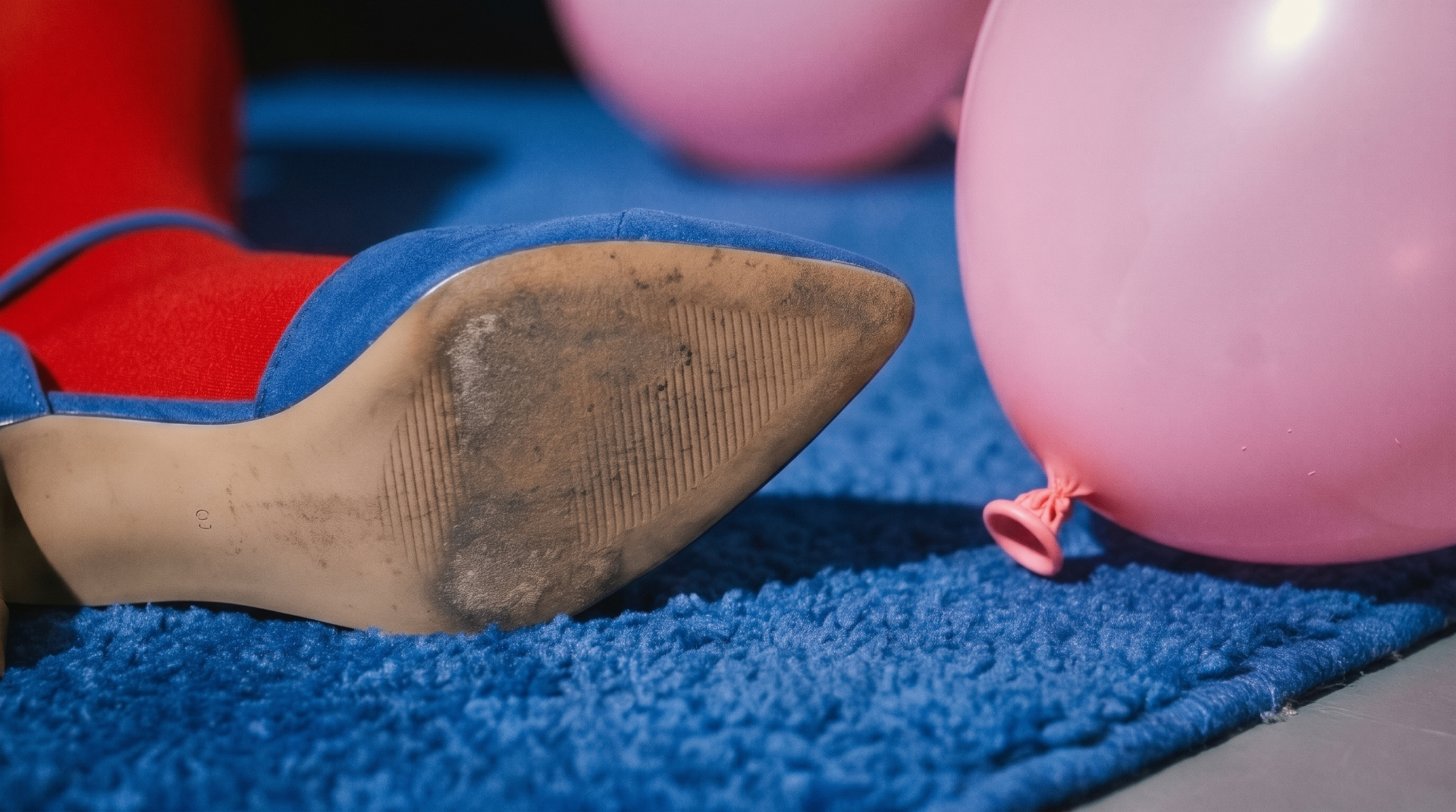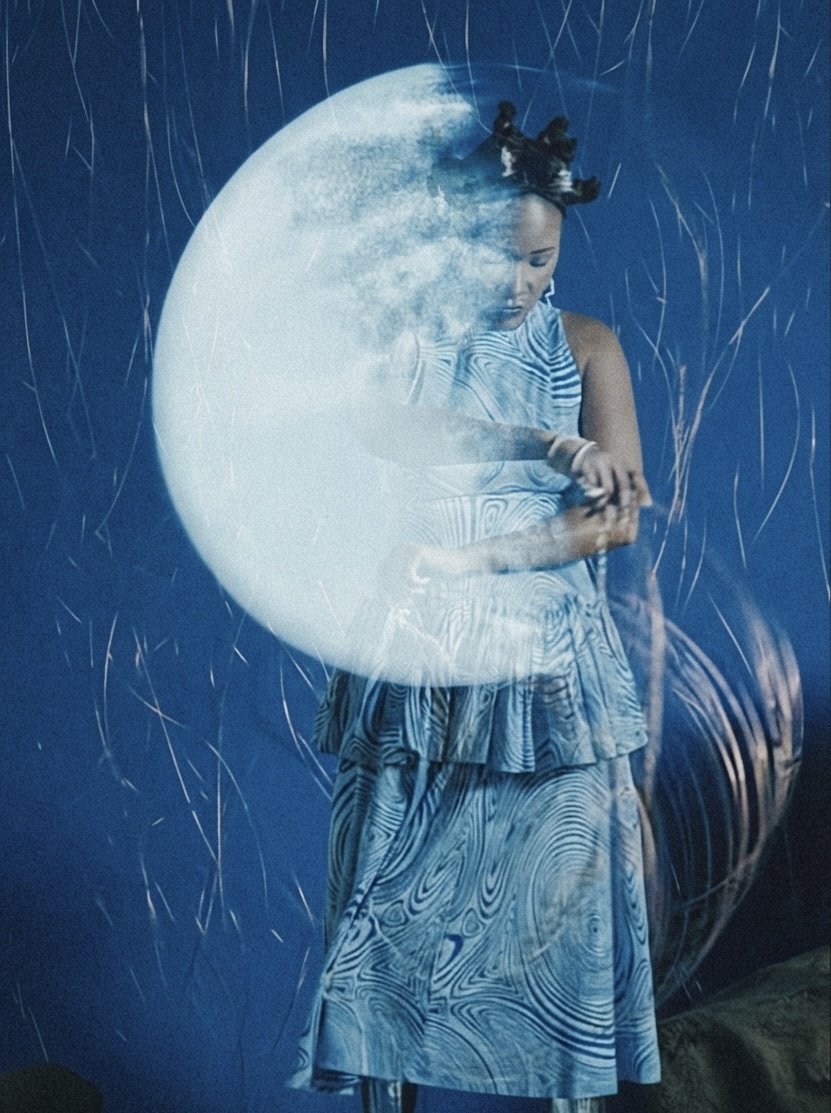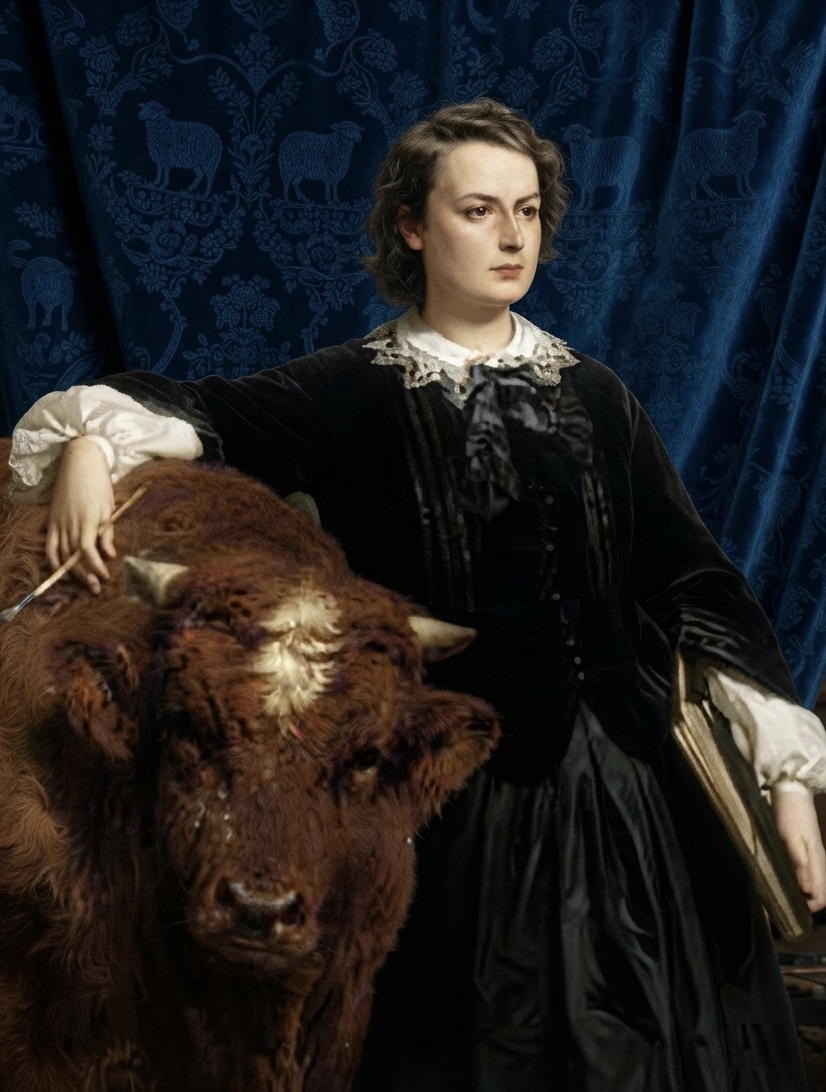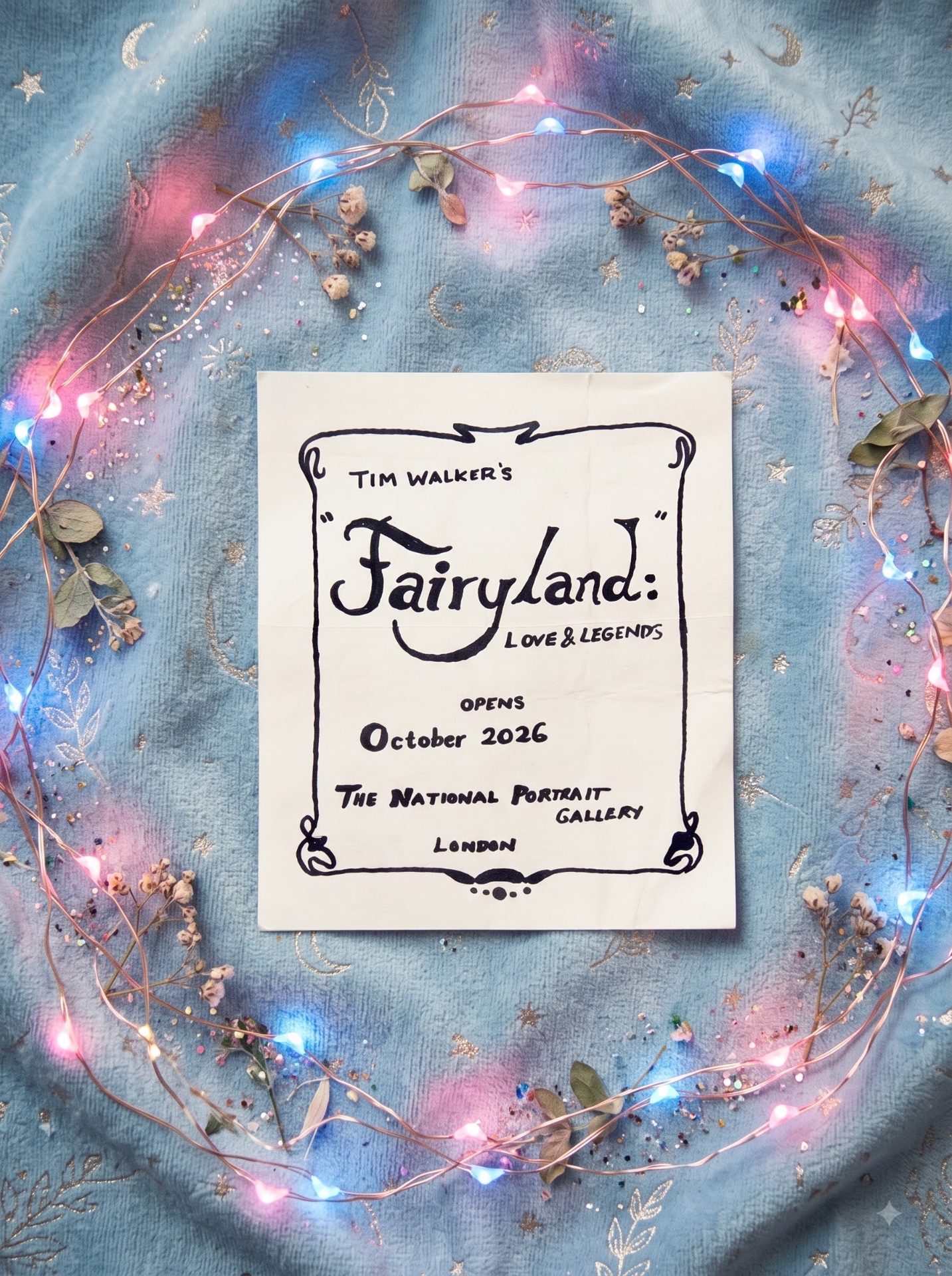
Around 250 new portraits fill the ground floor of the National Portrait Gallery this winter, all made by one photographer over five years. Tim Walker's Fairyland: Love and Legends opened on 9 October and is Walker's largest museum exhibition to date.
Walker is an English photographer, born in 1970, who built his career in fashion and editorial work. He is known for pictures made on elaborate sets, often designed with his longtime collaborator Shona Heath, who won an Oscar for her work on the film Poor Things. His portraits tend to sit between reality and invention: a sitter might be placed inside a built landscape, in costume, with props made for the day. Heath designed the exhibition itself. The curator is Susanna Brown.
This show points that method at a specific subject. Walker spent five years photographing queer activists, artists, performers, writers, health workers and community organisers in Britain and beyond, working with each sitter to develop a setting and a story. The gallery describes the result as a portrait of more than fifty years of queer activism, community and love.
The title carries an argument. The show sets out to take the word "fairy," long used as an insult, and turn it into a word of pride. Walker was born in November 1970, the month of Britain's first gay rights demonstration, and the exhibition opens with new portraits of activists who were at that protest. From there it moves forward through the decades.
The show is arranged in nine galleries, grouped into three broad sections, each with its own mood. Some portraits are lavish and playful. Others are quiet. Sitters include Isaac Julien, Ian McKellen, Miriam Margolyes and Chappell Roan, and the show also includes photographs Walker made for W magazine of Lady Gaga, Troye Sivan, Frank Ocean and Tilda Swinton, and an outtake from Harry Styles's 2019 Fine Line album shoot. Costumes, props, handwritten notes and behind-the-scenes material from the sittings are on display alongside the prints. Walker has said he wants queer visitors to recognise themselves in the rooms.